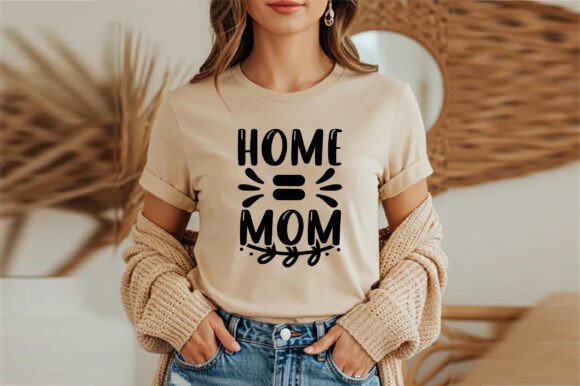
Home Mom: A Warm, Classic Embroidery Design for Handmade Goods
When you download an embroidery file, you’re not just getting stitches; you’re getting a feeling. That’s my first thought when I look at Home Mom. This design immediately evokes a sense of warmth, tradition, and simple appreciation. It’s a classic, heartfelt theme that feels immediately familiar and welcoming. The layout is balanced, and the visual personality is gentle and sincere. It doesn’t shout; it simply states a quiet truth that resonates deeply, especially in the world of handmade, personalized gifts.
The Natural Habitat for This Design
I picture this design living on a canvas tote bag, embroidered in a rich burgundy or a soft cream thread. It’s the kind of bag a customer would carry to the market, filled with a sense of quiet pride and belonging. Home Mom naturally belongs to products that celebrate comfort, care, and the heart of the home. Think embroidered pillow covers in a cozy living room, a crisp linen apron for a baker, or a delicate tea towel hanging in a kitchen. It’s perfect for nursery decor, celebrating a new mother, or as a heartfelt gift for a wedding, where it becomes a timeless keepsake.
For my craft business or Etsy shop, this design is a versatile asset. I see it working beautifully on a high-quality sweatshirt—a product that sells well year-round. The design’s clarity and positive message would make it a strong contender for boutique branding or small shop merchandise, especially for businesses focusing on family, home, and heartfelt gifts. In a printable mockup for a digital product listing, Home Mom would present itself as clean, professional, and emotionally engaging, which is key for buyer engagement in the crafts and graphics marketplace.
Where the Stitches Meet the Fabric
In real-life embroidery situations, the success of a design hinges on its execution. For Home Mom, I’d plan to use it on stable, medium-weight fabrics for the best results. A cotton tote bag, a linen apron, or a quality cotton-blend sweatshirt are ideal canvases. The design’s likely use of satin stitch for lettering and fill stitch for accents would require good stabilizer to prevent puckering, especially on stretchy fabrics like t-shirts. I’d avoid very thin or textured fabrics where small details might get lost.
Dark fabric backgrounds present a wonderful opportunity for contrast. Imagine this design stitched in a bright, cheerful white or pastel thread on a dark navy cap or a black sweatshirt—it would pop beautifully. However, on dark fabrics, stitch density becomes crucial; you need enough coverage to prevent the background from showing through the stitches, so testing on scrap fabric first is an absolute must.
Practical Considerations for a Professional Finish
As an embroidery designer preparing for client projects, my mind goes to the small details. Before hooping up a final product, I would always test the design on scrap fabric identical to my final project material. This lets me check thread color contrast, review the stitch density for any overly dense areas that might stiffen the fabric, and inspect the small details—especially any tiny lettering or decorative accents. Does every element stitch out cleanly? Is the overall shape crisp?
I’d also run it through black and white mockups to see how it holds up purely as shape and form, stripping away the color emotion to judge its structural clarity. Comparing how it looks on both light and dark fabric backgrounds in my software helps me plan my thread palette. For items that need frequent washing, like baby clothes or kitchen towels, I’d ensure my stitch settings and stabilizer choice are robust enough to maintain the design’s integrity over time.
Navigating the Tricky Surfaces
Some applications require extra thought. Curved surfaces like caps can distort a flat design. Home Mom has a balanced layout, but I’d be cautious about placing it on a highly curved area where the perspective might warp the message. Similarly, very small hoop sizes might compress the design, losing its gentle scale and making details cramped. For a baby blanket or a small patch, I might consider a simplified version if the provided files allow for scaling, but scaling an embroidery design isn’t always straightforward—it can affect stitch length and density.
This is where the included file formats, like the SVG and AI source file, become invaluable for a designer. Having an editable source means I can, if necessary and within the license terms, make minor adaptations for a specific product, like a petite patch for a backpack. However, I never assume the license allows this. The product description mentions the files, but before selling any finished items or commercial embroidery projects, I must confirm the licensing terms explicitly. This is a critical step for any craft business or digital product seller to maintain professionalism and customer trust.
The Value It Adds to Your Handmade Product
When a customer sees Home Mom embroidered on a finished product, they’re seeing more than decoration. They’re seeing a sentiment that aligns with their own values or a gift message they want to convey. This directly enhances the product’s value, giftability, and emotional resonance. For a small business owner, consistently using well-executed, emotionally resonant designs like this builds brand consistency and a reputation for quality.
The stitching clarity of this design, assuming it’s well-digitized, contributes massively to that handmade presentation. Clean, smooth satin stitches and precise fill areas look professional. That professionalism translates into customer trust and repeat engagement. It turns a simple sweatshirt into a cherished garment and a tea towel into a meaningful keepsake. In a crowded market like Etsy or craft fairs, that subtle difference in presentation and feeling can define your shop.
A Final Word Before You Hoop It Up
My overall judgment of Home Mom as a design asset is positive. It’s a versatile, warmly thematic embroidery file suitable for a wide range of personal and commercial projects. Its strength is in its universal sentiment and classic aesthetic. To make the most of it, treat it with the practical respect any embroidery design deserves: test it, understand its needs on different fabrics, and always clarify its license for your intended use. Then, let it bring that sense of home and appreciation to your next embroidery project, whether it’s a custom apparel order, a holiday gift, or a new product line for your handmade shop.
Embroidered well, on the right product, Home Mom won’t just look good—it will feel right. And in the world of creative entrepreneurship, that feeling is often what sells.