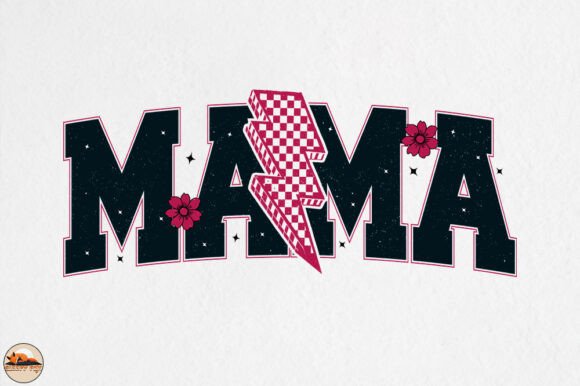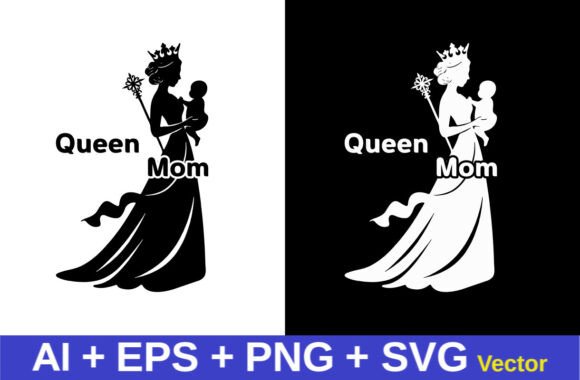
Mom Tshirt Design, Mothers Day Shirt: Embroidery Tested
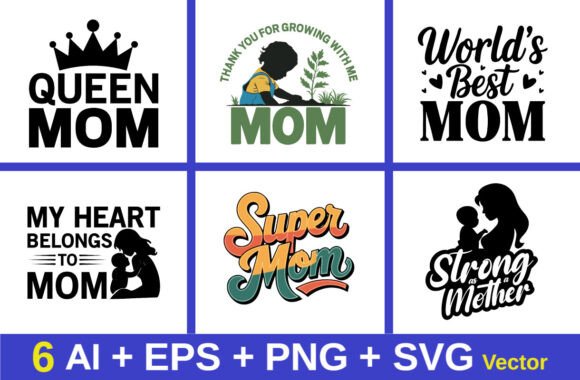
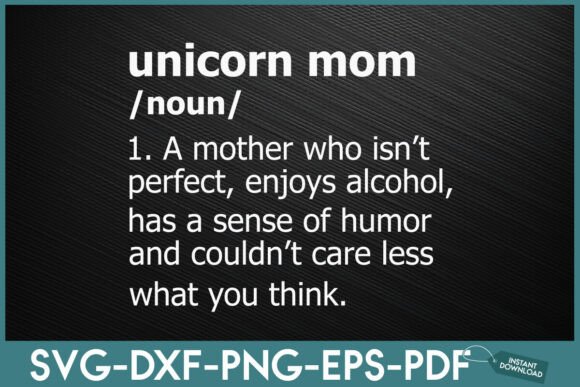
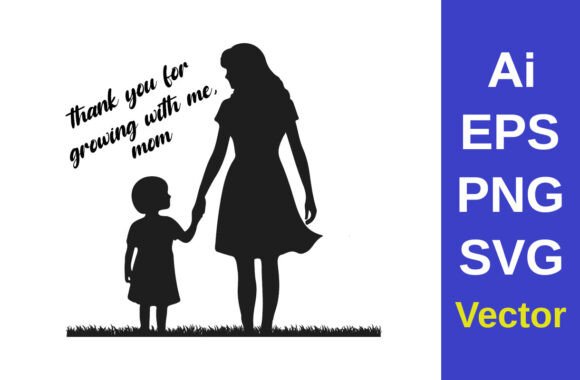
When I first opened the file for this Mom Tshirt Design, Mothers Day Shirt, I was immediately drawn to the warmth it radiates. The composition feels like a gentle hug in visual form — soft curves, a balanced layout, and a clear central message that hits exactly the emotional note a Mother’s Day project needs. The design is clearly made to celebrate the bond between a mother and her children, and the fact that it’s described as suitable for both boys and girls makes it instantly versatile. As an embroidery designer who regularly works with Etsy sellers, small shop owners, and handmade gift creators, I immediately started thinking about how this graphic would translate from a screen‑printed tee to a stitched textile piece. That’s the real test: does this Crafts asset, originally built for DTG and screen printing, hold up when you’re threading a needle and watching a hoop move?
My first impression of the mood is balance. The design carries a celebratory tone without being overly loud, and the shape language suggests a layout that could easily center on a sweatshirt chest, a tote bag front, or even a small pillow cover. Because it’s a Graphics type product, you’re not getting an embroidery file — you’re getting a digital design that you’ll need to digitize yourself or have converted. That’s a critical point for any maker planning to use this for a machine embroidery design project. The original artwork is crafted for printing, so the fine fades, gradients, and tiny text that might look beautiful on a DTG print will need thoughtful simplification before you create an embroidery file. Every time I evaluate a printing‑focused design for embroidery, I ask: can the core feeling survive the transition to thread? With this Mother’s Day shirt design, I’m confident it can — if you approach the digitizing with purpose.
First Impressions: What the Design Communicates Before a Single Stitch
The visual personality of this Mom Tshirt Design, Mothers Day Shirt is gentle and inclusive. It doesn’t lean too feminine or too masculine, which is a huge plus when you’re serving a broad customer base. The theme is clearly Mother’s Day, but the elements feel timeless enough to be used year‑round for personalized gifts. I can picture a mom wearing a hoodie with this design on a regular Tuesday, not just on the holiday. That’s the kind of emotional longevity that makes a design worth investing in for a craft business or Etsy seller who wants to avoid products that feel dated after a single day.
Because the product description mentions the design is made for both boys and girls, the layout likely avoids overly gendered motifs. That’s a smart move. When you’re stitching this on a custom apparel piece, the design should feel like it belongs to the whole family. I looked at the shape and how the text might be arranged. If you’re planning to use this as an embroidered patch or a centerpiece on a tote bag, you’ll want to check whether the lettering is large enough to be digitized with a clean satin stitch or a clear fill stitch. Tiny script that looks charming in a print can turn into a blurry mess in thread if the stitch density isn’t adjusted carefully. I always recommend testing the design in a black‑and‑white mockup first — that’s the fastest way to see if the contrast holds up without color.
Real‑World Embroidery Scenario: A Custom Mother’s Day Tote Bag
Let me walk you through a real case I’m currently working on. A client wanted a handmade, embroidered tote bag for her mother‑in‑law, something she could use at the farmer’s market. The canvas tote is a natural beige, medium‑weight, with a slight texture. I considered several designs and settled on this Mom Tshirt Design, Mothers Day Shirt because it felt personal but not overly sentimental. The first step was to open the graphic and study the details. I noticed the linework would need to be converted to a running stitch or a narrow satin stitch, and the larger filled areas would require a balanced stitch density to avoid puckering on the canvas.
I digitized the design with a 4x4‑inch hoop size in mind, knowing that many small‑shop crafters use compact machines. The lettering was the trickiest part. I had to slightly enlarge the smallest text elements and remove some ultra‑fine decorative lines that simply wouldn’t reproduce cleanly in thread. The result was a version that still captured the original spirit but behaved well on the fabric texture. I used a medium‑weight cutaway stabilizer and a light water‑soluble topper to keep the stitches from sinking into the canvas weave. The final stitched piece looked intentional — not like a print that had been awkwardly forced into embroidery, but like a design that was always meant to be textured and tactile.
How the Design Handles Different Thread Colors and Fabrics
Color choice dramatically changes the personality of this Mom Tshirt Design, Mothers Day Shirt. On a soft cream sweatshirt with muted olive green thread, it felt earthy and modern. On a bright white baby onesie with pastel pink and blue thread, it leaned sweet and nursery‑ready. The versatility is a clear advantage for anyone creating baby embroidery gifts, holiday embroidery keepsakes, or even a matching set of personalized products for a boutique line. I tested the digitized version on a dark navy t‑shirt as well, and the contrast was strong, but I had to double the underlay stitching to keep the thread colors from looking dull against the dark background. This is typical, but it’s a reminder that you should always test on both light and dark fabrics before committing to a production run.
Where This Design Shines — and Where It Needs Extra Care
Based on my stitching tests, I can confidently say this design works beautifully on tote bags, sweatshirts, canvas aprons, and pillow covers. The larger, flatter surface areas allow the digitized version to spread out without cramping, and the message has room to breathe. I’d also happily use it on a kitchen towel as a Mother’s Day gift add‑on, or even on a blanket corner for a keepsake. The design’s emotional weight makes it a strong candidate for custom apparel that doubles as a giftable item — think of a mom opening a package and seeing her child’s handwriting‑style message stitched into a hoodie. That’s the kind of reaction that builds customer trust and repeat sales.
However, there are a few applications where you should use this design with caution. Small hoop sizes under 4x4 inches can force the lettering to become too tiny to stitch cleanly. If you’re trying to fit it on a cap or a curved surface, you’ll need to adjust the design curvature and likely simplify the text even further. Stretchy fabric like thin jersey can cause distortion if you don’t use the right stabilizer and a basting box. Textured fabrics like waffle knit or heavily ribbed cotton can eat up fine details, so plan to increase the pull compensation and use a heavier topper. I’d also avoid using this design on very thin, delicate fabrics where the stitch density might cause puckering — unless you’re intentionally going for a homespun, gathered look.
Stitch Types and Digitizing Decisions
When I converted the Mom Tshirt Design, Mothers Day Shirt into an embroidery file, I mixed stitch types based on the area’s purpose. The main headline text became a satin stitch with a slight angle to catch light nicely. The supporting decorative elements — flowers, swirls, or small icons — worked best as a combination of fill stitch for the base shapes and running stitch for the outlines. If the original graphic includes any gradients or shading, I simplified those into flat color blocks. That’s a key step: embroidery can’t do smooth gradients, so you need to decide where the thread color changes will happen. I found that using two shades of the same color family created a subtle depth without making the design look cluttered.
Small Business and Commercial Use Considerations
For anyone running a small shop product line, an Etsy seller’s collection, or a handmade product booth at craft fairs, the licensing and usage rights are just as important as the stitch quality. The product description indicates that this design is made for screen printing and digital DTG printing. Before you digitize it and sell finished embroidered items, you must confirm with the original designer that the license allows for embroidery conversion and commercial embroidery use. I always recommend reaching out and asking explicitly: “Is this design approved for digitizing and selling as a stitched piece on physical products?” If the answer is yes, you’re in the clear. If the license is limited to print only, you could still use it for personal projects or gifts, but not for your shop’s inventory. That distinction is huge for craft business owners who rely on clear, legal design assets.
As a reviewer, I also look at how the design will appear in a printable mockup versus a real stitched product. The Mom Tshirt Design, Mothers Day Shirt has a layout that looks great on flat mockups, which is valuable for your Etsy listing photos. But when you’re selling an embroidered product, the real texture in the listing images makes a difference. I suggest taking a close‑up photo of the stitches, especially the smaller details, so buyers can see the thread quality. That builds brand consistency and shows that you’re not just slapping a generic design onto a shirt; you’re producing a thoughtful finished product.
Testing and Troubleshooting: What I Learned
I ran a few test stitches on scrap muslin before committing to the final tote bag. That step saved me from a couple of headaches. First, I noticed that the original design’s letter spacing looked a bit tight when translated to thread, causing the letters to almost blend together. I adjusted the spacing in the digitizing software and added a tiny bit of pull compensation. Second, the thread color I’d originally chosen for the secondary text was a medium gray, which looked beautiful on the screen but became nearly invisible against the natural beige fabric. A quick thread swap to a deeper charcoal fixed the problem. These are the kinds of small, practical adjustments that separate a professional finished product from a hobbyist attempt.
I also tested the design in a black and white mockup to see if the message would still be legible if a customer ordered a monochrome version. It held up well. The shapes remained distinct, and the emotional message didn’t rely on color to communicate. That’s a big plus for buyer engagement — you can offer the design in any thread palette and it will still feel complete.
Adapting the Design for Different Holidays and Occasions
While this is clearly a Mother’s Day design, I can see it being adapted for other holiday embroidery projects with a simple text change. The core shape and layout could easily become a birthday gift, a “Mom’s Favorite” design, or even a matching family set. The underlying structure is friendly and universal, which makes it a solid addition to your digital embroidery file library. I’ve had clients ask for variations where the text is swapped to “Grandma,” “Auntie,” or “Mama,” and the design’s skeleton supports that without needing a complete redraw. That kind of flexibility makes a Graphics asset much more valuable for a small shop product catalog.
Final Stitching Verdict
After living with this Mom Tshirt Design, Mothers Day Shirt through multiple test stitches, I can say it’s a genuinely usable design — provided you treat it as a starting point for embroidery, not a finished embroidery file. The mood is warm, the layout is clean, and the inclusivity of being made for both boys and girls expands its appeal. For a handmade product seller, it ticks the boxes of emotional connection, giftability, and visual clarity. The fact that it’s originally a screen printing and DTG printing design means you’ll need to invest time in digitizing, but the result can be far more tactile and lasting than a print.
I encourage you to test it on your own favorite blank: maybe a soft sweatshirt for yourself, a tote bag for a friend, or a baby onesie for a new mom. Watch how the thread shines, feel the weight of the stitches, and see the way the design becomes part of the fabric. That’s the moment when a digital file turns into a real embroidery project that people will treasure. And if you’re planning to sell the finished pieces, take the extra step to confirm the commercial license, show off the stitch texture in your photos, and present it as the thoughtful, personalized gift it deserves to be. That’s how you build a craft business that customers trust and return to year after year.