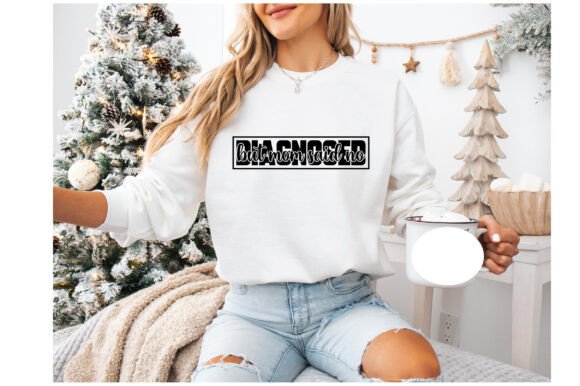
Diagnosed but Mom Said No: A Designer’s Real-World Embroidery Review
As someone who’s been stitching designs onto everything from baby bibs to boutique aprons for years, I approach every new embroidery file with a practical eye. My first question is always: how will this actually look when the needle hits the fabric? When I saw the title Diagnosed but Mom Said No, I knew immediately this wasn’t just a graphic—it was a statement, a piece of visual storytelling. The mood it carries is specific: it’s poignant, subtly defiant, and deeply personal. For crafters and small business owners, that means it’s a design with a powerful, ready-made narrative for personalized gifts and custom apparel.
The Immediate Visual Personality and Project Fit
The layout and theme feel conversational, almost like a snippet of a larger story. This isn’t a generic floral motif or a simple slogan; it’s a specific phrase that evokes a particular mood and experience. From a design perspective, this means its natural home is on products where that story can resonate. Think of a custom-embroidered tote bag for someone who appreciates candid, heartfelt messages, or a subtly stitched pillow cover for a nursery or a cozy corner. The detail level, based on the provided high-resolution files, suggests it can handle clean lettering and composition, which is crucial for embroidery clarity. For an Etsy seller creating a line of ‘honest motherhood’ themed kitchen towels or patches, this design could be a cornerstone asset.
Where This Design Stitches Up Perfectly
In real-life embroidery situations, Diagnosed but Mom Said No shines on products where the text is meant to be read and felt. A soft, cotton sweatshirt becomes a personal statement piece. A canvas tote bag for a craft fair shopper becomes more than a carrier—it’s a conversation starter. For baby clothes or nursery decor, it could be embroidered on a blanket as a gentle, ironic accent. As a handmade patch, it could be applied to a denim jacket or backpack, offering a unique, boutique-level product. The strength here is in its niche appeal; it engages a buyer looking for something beyond a decorative pattern. It adds significant product value through its emotional weight and specificity, fostering customer trust because it feels authentic, not mass-produced.
For apparel decorators and digital product sellers, this design is a ready-made commercial embroidery asset for a specific market. It’s ideal for personalized gifts—perhaps a holiday gift for a friend who shares this sentiment, or a wedding gift for a couple with a similar story. Its recognition factor is high within its niche, which boosts professionalism for a small shop specializing in relatable, text-based designs.
Careful Stitching: Where to Tread Lightly with the Needle
Any design with distinct lettering and potential for smaller details requires some practical caution. For Diagnosed but Mom Said No, I’d advise careful use on very small hoop sizes. Tiny lettering can lose clarity if the stitch density isn’t managed well. Similarly, textured fabrics like thick wool or looped towels might obscure the clean lines. On thin or stretchy fabric, like a lightweight t-shirt, a robust stabilizer is non-negotiable to prevent puckering and keep the message sharp.
Dark fabric backgrounds demand thoughtful thread color contrast—a classic white or bright pastel might be necessary to ensure the statement pops. On curved surfaces like caps, the layout might need slight adjustment to follow the contour without distorting the words. For products destined for frequent washing, such as aprons or tea towels, opting for a sturdy fill stitch for the text and securing all details will ensure longevity and maintain that handmade presentation over time.
How It Influences Buyer Engagement and Brand Consistency
For a creative entrepreneur, this design affects buyer engagement directly. It’s not passive; it asks for a reaction. This can be incredibly powerful for a craft business building a brand around authenticity or specific life experiences. Using it across a coordinated line—say, on mugs, aprons, and pillow covers—can create strong brand consistency for a small shop. However, it’s also important to match it with your overall shop vibe; it might not fit a brand focused solely on whimsical animals or geometric patterns. Its giftability is high, but for the right recipient—which is a strength, as it helps products find their perfect home.
Practical Notes from the Embroidery Hoop
Before running this machine embroidery design on a final project, here are my hands-on recommendations. Always, always test it on scrap fabric first. Use the same material you intend for the final product—a cotton twill for a tote, a jersey knit for a sweatshirt. This test reveals everything: stitch density, how small details like punctuation translate, and whether the overall size feels right for your chosen hoop size.
Check thread color contrast thoroughly. Create simple black and white mockups or stitch a small section on both light and dark scraps to visualize the final impact. Since the product description lists multiple file formats including SVG and DXF, confirming the compatibility with your specific embroidery software is a silent, crucial step. The inclusion of AI and EPS files suggests good scalability for different project sizes, which is a boon for commercial embroidery projects.
A key note for all makers: the description states it’s ready for printed apparel, but for embroidery, we’re using the vector files to create the stitch path. Confirm the licensing terms before selling finished items or digital products derived from this design. It’s a cornerstone of professional practice and protects your craft business.
The Final Stitch: A Design with a Clear Narrative
Diagnosed but Mom Said No is more than a Crafts & Graphics file; it’s a design asset with a built-in audience. Its value lies in its pointed storytelling. For the embroidery designer or small business owner looking to create products with depth, it offers a compelling starting point. It will stitch up cleanly on the right substrates with proper preparation, and it will resonate deeply with customers who find their story reflected in it. Approach it with a thoughtful test stitch, a consideration for fabric and context, and it can become a standout piece in your collection of handmade products or personalized gifts.