Mom Mode Bow Embroidery Design: A Real-World Review
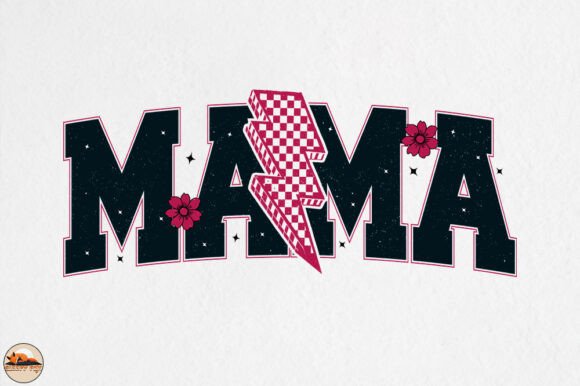
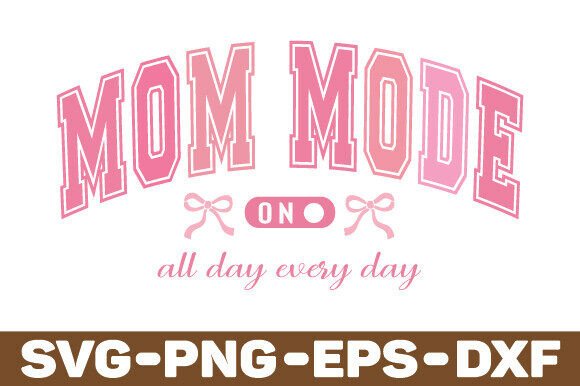
Let’s talk about the ‘Mom Mode Bow’ design. As a designer who regularly evaluates files for client projects and my own shop, my first impression is that it’s a charming, slightly playful nod to motherhood. The central bow motif gives it a soft, classic feel, while the inclusion of ‘Mother’, ‘Mama’, and ‘Mum’ around it creates a versatile, inclusive appeal. It doesn’t scream loud or overly trendy; it whispers sentimental. This isn’t a design for a bold statement piece, but rather for a heartfelt, personalized gift or a subtle branded product for a boutique focusing on family themes.
The Mood It Creates on Fabric
Imagine you’re preparing a custom order: an embroidered linen tea towel for a mother-to-be. You load this file, and the layout immediately suggests a central, focused placement. The design feels balanced, with the text elements acting as decorative accents rather than primary reading material. On a soft fabric like cotton or linen, this would stitch out with a gentle, almost vintage personality. The detail level looks manageable—the bow appears to have clear sections that would translate well into satin stitches or fill stitches, and the lettering seems sized for readability without becoming overly dense. Its visual personality is warm and recognition-based; it’s a design people will ‘get’ instantly.
Where This Design Naturally Belongs
This embroidery file feels destined for projects where the sentiment is the star. Think embroidered pillow covers for a nursery gift, the front of a cozy sweatshirt for a mother’s day present, or a simple patch appliquéd onto a baby blanket. It would also work beautifully on the corner of an apron or the front of a tote bag for a small shop selling handmade home goods. For craft business items, this design could anchor a whole line of ‘mom-themed’ products—from kitchen towels to caps—creating nice brand consistency for an Etsy seller. The Crafts category is accurate; this is a graphic meant for making, not just viewing.
Performance in Real-Life Embroidery Situations
In practical use, the key consideration will be stitch density and clarity. On a medium-weight fabric like a sweatshirt or tote bag canvas, I anticipate it would perform well, provided you use the correct stabilizer. The text, being smaller, will require attention to thread color contrast, especially on darker fabrics. A white or light thread on a navy sweatshirt would make those ‘Mother, Mama, Mum’ words pop. On baby clothes or thinner fabrics, you’d need to be cautious; the design’s density might need adjustment to prevent puckering. For curved surfaces like caps, the compact, central layout is actually a plus—it likely fits well in a standard hoop size for headwear.
For commercial embroidery projects, like producing a batch of patches or a run of branded aprons for a small business, the design’s simple recognition factor is a strength. Customers engage quickly with familiar, affectionate themes. It elevates a basic product into a personalized gift. However, its appeal is niche; it’s not a generic graphic. Its value lies in its specific emotional connection, which can be a powerful driver for handmade presentation and customer trust in a creative entrepreneur’s shop.
Where You Should Use It Carefully
A few scenarios require extra thought. If you’re planning to stitch this on very textured fabric, like a loose-knit blanket, the small lettering details might lose clarity. Similarly, on stretchy fabric, you must stabilize aggressively to keep the bow shape crisp. I’d avoid very small hoop sizes here; you need enough space to preserve the integrity of the decorative accents. Dark fabric isn’t a problem per se, but it demands high-contrast thread choices to prevent the whole design from fading visually. And for products destined for frequent washing, like baby items or kitchen towels, consider using robust threads and potentially simplifying any overly dense stitch areas in the bow to enhance durability.
Affecting Visual Appeal and Professionalism
From a designer’s point of view, how this file stitches out directly impacts perceived product value. A clean, sharp rendition of the ‘Mom Mode Bow’ on a tote bag or pillow cover makes it feel professional and giftable. A blurred or puckered version, due to poor fabric choice or stabilizer neglect, makes it look amateur. The design itself has the potential for high stitching clarity; its success depends on your execution. For digital product sellers using it in printable mockups, its clean SVG format should allow for crisp previews, aiding buyer engagement. For your craft business, using it consistently across a product line—say, on aprons, tea towels, and pillow covers—builds a cohesive, trustworthy brand image.
Practical Notes for Embroidery Designers
Before you commit this to a client’s project or your holiday gift inventory, do the standard checks. Always test the embroidery file on scrap fabric first, ideally the same material you plan to use. Review the stitch density by running a small section. Check thread color contrast by imagining it on both light and dark backgrounds; you might even create simple black and white mockups to see how the shapes hold up without color. Inspect the small details in the lettering and bow corners on your test stitch. Confirm your hoop size can accommodate the design without cramping. And crucially, since this is a digital product received as an SVG in a ZIP folder, verify the licensing terms before selling finished items or using it in commercial embroidery. The product description notes it’s a digital download, but the specifics of personal vs. commercial use are not provided here—you must check that.
In summary, the Mom Mode Bow Mother Mama Mum Sublimation design is a versatile, sentiment-driven graphic asset. It fits naturally into a world of personalized gifts and niche handmade products. Its real-world performance hinges on thoughtful material selection and careful embroidery setup. When stitched well, it delivers a warm, professional result that resonates with a specific audience. It’s a design that rewards a maker’s attention to detail, transforming a digital file into a tangible expression of appreciation.