MOM, My First Best Friend: A Design Review for Real Projects
From my perspective as someone who embroiders for clients and my own small shop, a design file is more than a digital asset. It’s a potential finished product, a gift that will be cherished, a piece that defines a brand’s quality. When I look at ‘MOM, My First Best Friend,’ I’m immediately thinking about how it will translate from screen to stitch, what emotions it will carry on fabric, and where it fits in a real-world crafting business.
The First Impression: Warmth You Can Stitch
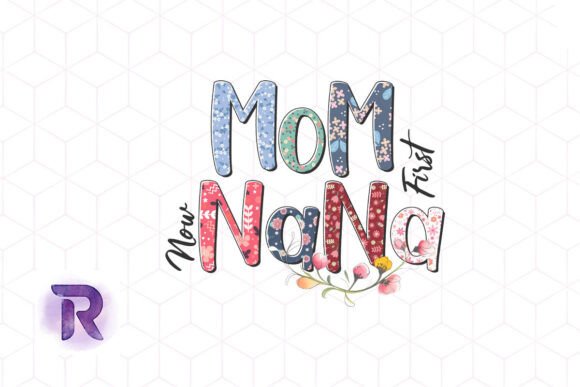
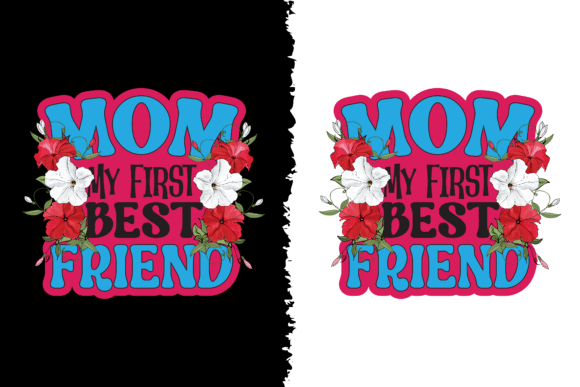
The heartwarming theme is clear, but what strikes me is its balance. The sweet message is given genuine space, framed by blossoms that feel decorative without being overwhelming. This isn’t a loud, graphic statement; it’s a gentle, personal declaration. The layout suggests a certain classic femininity, making it feel timeless rather than trendy. For an embroidery designer, this is a good sign—it means the design has a wide appeal and isn’t tied to a fleeting style. Its visual personality is soft and celebratory, perfect for projects where the sentiment is the star.
Where This Design Naturally Belongs
I can see this embroidery file coming alive on a custom tote bag for a Mother’s Day gift, the floral elements lending a handcrafted, boutique-quality feel. It would be equally lovely on the corner of a linen pillow cover for a nursery gift, or centrally placed on a high-quality sweatshirt for a personalized, cozy present. The scale and detail level suggest it’s versatile for mid-sized projects. It’s a strong candidate for baby embroidery on a keepsake blanket or a simple cotton cap, provided the fabric is stable. For craft fair products or Etsy listings focusing on personalized gifts, this design is a ready-made asset that communicates its purpose instantly.
A Real Scenario: Crafting a Boutique Holiday Gift
Let’s walk through a typical use case. Imagine you’re preparing a small batch of embroidered kitchen towels for a holiday market. You choose a nice, natural-colored linen. ‘MOM, My First Best Friend’ gets hooped. The red and white blossoms come out with a clean satin stitch or fill stitch outline, the text clear and legible. On that textured fabric, the design doesn’t fight for attention; it sits as a beautiful accent. A customer sees it and doesn’t just think “towel,” they think “gift for my mom.” That’s the practical value here—it elevates a simple item into a meaningful product.
Performance in Key Embroidery Situations
For custom apparel like t-shirts, the floral frame adds enough visual weight to feel substantial without being too dense for lightweight fabric, assuming proper stabilizer is used. On a tote bag, the design gains a lovely handmade presentation, enhancing perceived value. As an embroidered patch, it would be charming, though the small lettering details require careful stitching to maintain clarity. For baby clothes, it’s ideal for a special occasion item, not everyday wear, due to the likely detail level.
In commercial embroidery projects, such as a small shop offering personalized sweatshirt embroidery, this design works beautifully. It’s recognizable, professional, and instantly communicates its purpose, aiding buyer engagement. It’s also excellent for creating printable mockups for digital product previews, as the clear sentiment and decorative elements are easy for potential customers to visualize.
Where to Use With Extra Care
This design demands attention in a few specific scenarios. On very small hoop sizes, the detail in the blossoms and the lettering might become compressed, losing clarity. I would avoid highly textured or stretchy fabrics unless you are very confident with your stabilizer technique, as the shapes could distort. On dark fabric backgrounds, the presumed red and white color scheme would need excellent thread color contrast planning—perhaps testing a white or light cream base for the flowers. Stitching it on curved surfaces like caps would require careful placement to keep the circular frame looking balanced. And for products destined for frequent washing, like everyday apparel, testing stitch density on scrap fabric first is crucial to ensure durability.
The Impact on Your Craft Business
Using a design like this consistently across products—say, on aprons, pillow covers, and tea towels in your Etsy shop—can build subtle brand consistency. It signals a focus on heartfelt, quality gifts. The high giftability of the design directly affects customer trust; they feel you’re offering something genuine. For creative entrepreneurs, it’s a design asset that requires little explanation, which is a practical advantage in busy marketplaces.
Essential Practical Notes Before You Stitch
Before running this machine embroidery design for a client order or your own merchandise, treat it like any professional tool. Always test it on scrap fabric of the same type you plan to use. This reveals the true stitch density, how small details like the flower centers turn out, and whether the thread colors you’ve chosen provide the intended contrast. Check it in both light and dark fabric background mockups, even if just mentally, to plan your color schemes. Confirm the hoop size you intend to use is appropriate for the design’s scale—the provided description doesn’t specify, so this is a key step. Inspect the design file closely for any tiny corners or connections that might need slight adjustment for your specific machine.
Finally, a crucial step for any digital embroidery file used in a craft business: confirm the licensing terms before selling finished products or incorporating it into commercial embroidery projects. The product category is Crafts and its type is Graphics, but the specifics of personal versus commercial use are not provided here. Protecting your business and respecting the designer’s work is part of professional practice.
‘MOM, My First Best Friend’ is, from a designer’s viewpoint, a ready-to-embody sentiment. Its success in your project hinges not on the file itself, but on your thoughtful application of it—choosing the right fabric, the right product, and the right care in stitching. When done well, it becomes more than an embroidery; it becomes a keepsake, which is the ultimate goal for any maker.